


-32x32h.png)
-32x32h.png)




















-80x80.png "John West")





















Taking care of your gut is one of those things we all know matters, but it's easy to let slip when life gets busy. Your gut does far more than digest your dinner: it plays a role in how you absorb nutrients, how comfortable you feel day to day, and even your general sense of wellbeing. The good news is that looking after it doesn't need to be complicated. A few small, consistent habits can make a real difference over time.
Why Gut Health Matters
Your digestive system is home to trillions of bacteria, and keeping a good balance of these is thought to support everything from digestion to immunity. When your gut is out of balance, you might notice bloating, discomfort, irregular bowel habits or low energy. While everyone's gut is different, there are some general principles that tend to help most people feel better.
Simple Everyday Habits for a Healthier Gut
Eat a Varied, Fibre-Rich Diet
Fibre from vegetables, fruit, wholegrains, beans and pulses helps keep things moving and feeds the beneficial bacteria in your gut. Try to include a range of different plant foods across the week rather than sticking to the same few options - variety is thought to support a more diverse gut microbiome. Fermented foods such as yoghurt, kefir and sauerkraut are also worth including if you enjoy them.
Stay Hydrated
Water is essential for digestion, helping fibre do its job and keeping things comfortable. It's an easy thing to overlook, especially on busy days, so try keeping a bottle nearby as a simple reminder.
Consider Gut-Friendly Drinks
Some people like to include gut-support drinks as part of their daily routine alongside a balanced diet. If you fancy trying something new, One Living Gut Strawberry Lemon shots are a convenient option to keep in the fridge for a quick daily boost.
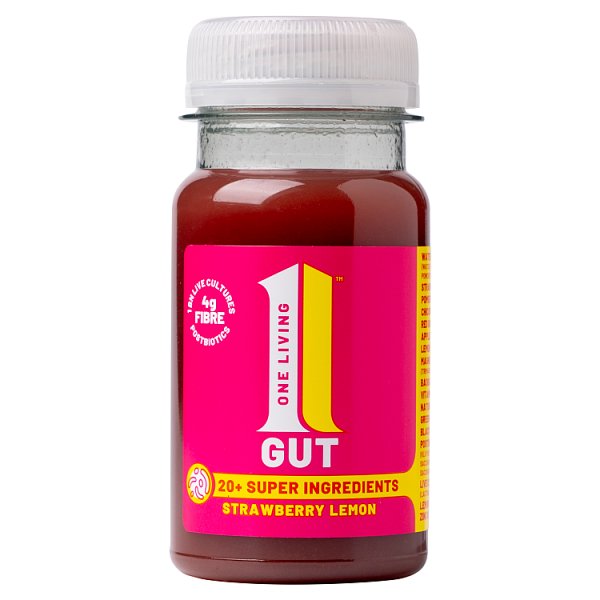
One Living Gut Strawberry Lemon 100ml (8 x 100ml)
Look After Your Sleep and Stress Levels
Gut health isn't just about food. Poor sleep and ongoing stress can affect digestion for many people, so building in some downtime, a consistent sleep routine and time to relax can all play a supporting role alongside your diet.
Move Your Body
Regular movement, even a daily walk, is thought to help keep digestion regular and support overall wellbeing. You don't need an intense routine - consistency matters more than intensity.
Hygiene: An Often-Overlooked Part of Gut Health
Good hand hygiene is a simple but important way to help protect your gut from unwanted bugs, particularly before eating and after using the bathroom or handling raw food. Keeping a reliable hand wash by the kitchen and bathroom sink makes it easy to build this into your routine. Carex Original Antibacterial Hand Wash and Radox Hand Soap Care+ are handy options to keep topped up at home.
It's also worth having good quality toilet tissue to hand for comfort, especially if your gut is feeling sensitive - Andrex Ultra Care Toilet Tissue is a gentle option worth considering.

Carex Original Antibacterial Hand Wash 250ml (Case of 6)
When Something Feels Off
Everyone experiences the odd bit of bloating, an upset stomach or a change in bowel habits from time to time, often linked to diet, stress or a passing bug. However, if you notice persistent changes, ongoing discomfort, or symptoms that worry you, it's always best to speak to a GP or pharmacist. They can help work out what's going on and advise on the right next steps for you.
Building a Simple Gut-Friendly Routine
- Aim for a varied, fibre-rich diet with plenty of fruit and vegetables
- Drink water regularly throughout the day
- Try including fermented foods or a gut-support drink if it suits you
- Wash your hands thoroughly before eating and after using the bathroom
- Prioritise sleep and find small ways to manage stress
- Keep moving with regular, gentle activity
Frequently Asked Questions
How quickly will I notice a difference in my gut health?
This varies from person to person. Some people notice small changes within a couple of weeks of adjusting their diet and habits, while for others it takes longer. Consistency tends to matter more than any single change.
Do I need to take a supplement for gut health?
Not necessarily. A varied, fibre-rich diet is the foundation for most people. If you're considering a supplement or gut-support drink, it's worth chatting to a pharmacist first, particularly if you take other medication or have an existing health condition.
Can stress really affect my gut?
Yes, for many people stress and digestion are closely linked. If you notice your stomach reacts to stressful periods, building in some relaxation time alongside your usual habits may help.
When should I see a doctor about gut symptoms?
If you experience persistent pain, unexplained weight loss, ongoing changes in bowel habits, or anything that concerns you, it's best to book an appointment with your GP rather than waiting to see if it passes.
Final Thoughts
Taking care of your gut is really about small, sustainable habits rather than dramatic changes: eating well, staying hydrated, keeping active, and not forgetting the basics like good hand hygiene. Adomoo stocks everything from gut-friendly drinks to everyday hand washes and household essentials to help make these habits that bit easier to keep up. Have a browse and stock up on the little things that support your wellbeing every day.
Leave a comment