


-32x32h.png)
-32x32h.png)




















-80x80.png "John West")

















Fibroids are a common concern for many women, and it's natural to wonder how to prevent fibroids from developing or growing. While there's no guaranteed way to stop them completely, research suggests that certain lifestyle habits may help reduce your risk or keep existing fibroids from causing more trouble. In this article, we'll look at what fibroids are, what may influence their development, and some practical everyday steps you can take. As always, this is general information rather than medical advice, so do speak to your GP or pharmacist about anything that concerns you personally.
What Are Fibroids?
Fibroids are non-cancerous growths that develop in or around the womb. They're very common, particularly during a woman's reproductive years, and many people have them without even knowing, as they often cause no symptoms at all. When symptoms do occur, they can include heavier or longer periods, pelvic discomfort, or pressure on the bladder or bowel.
The exact cause of fibroids isn't fully understood, but hormones (particularly oestrogen and progesterone), genetics, and lifestyle factors are all thought to play a role.
Can Fibroids Be Prevented?
It's important to be honest here: there's no proven way to guarantee you'll never develop fibroids, as factors like family history and hormone levels are largely outside your control. However, some studies and general health guidance suggest that certain lifestyle choices may lower your risk or help manage symptoms if you already have them. Think of these tips as supporting your overall health rather than a foolproof prevention plan.
Lifestyle Habits That May Help Reduce Risk
Eat a Balanced, Fibre-Rich Diet
A diet rich in fruit, vegetables and wholegrains is generally recommended for overall wellbeing, and some research links diets high in fibre and low in processed foods to a reduced risk of fibroids. Wholegrains like oats are an easy way to boost your fibre intake, whether stirred into porridge, baked into bread, or used in home cooking.
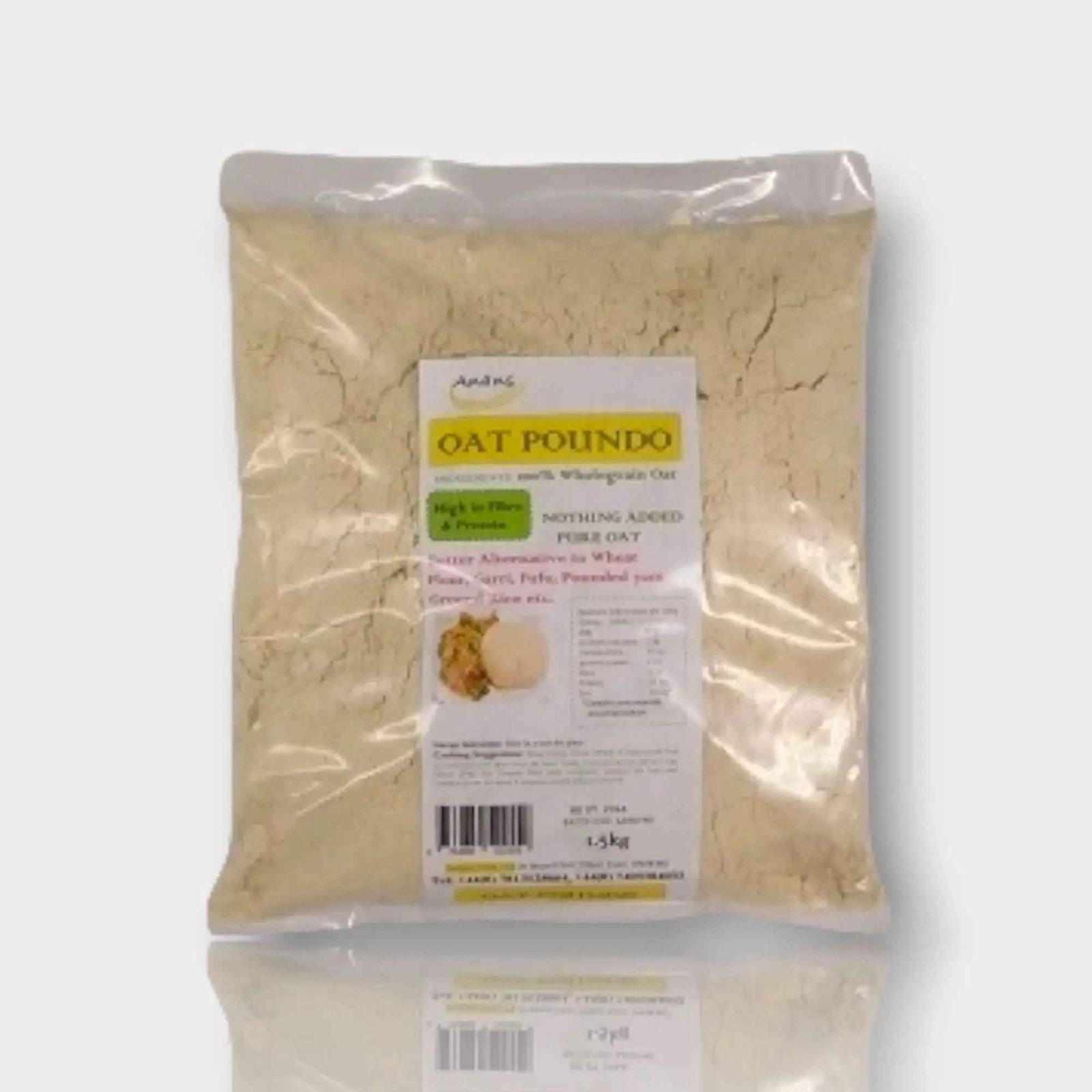
Anans OAT POUNDO, 100% Wholegrain Oat Flour. 1.5kg
Swapping some refined carbohydrates for wholegrain alternatives is a simple change that fits into most kitchens without much extra effort or cost.
Stay Active
Regular physical activity supports healthy hormone balance and a healthy weight, both of which are thought to play a part in fibroid risk. You don't need an intense gym routine — brisk walking, cycling, swimming or home workouts a few times a week can all make a difference.
Maintain a Healthy Weight
Because fibroids are linked to oestrogen levels, and body fat can influence hormone production, maintaining a healthy weight may help lower your risk. Gradual, sustainable changes to diet and activity levels tend to work better long-term than quick fixes.
Manage Stress
Chronic stress can affect hormone levels throughout the body. While stress alone isn't a proven cause of fibroids, finding ways to relax — whether that's exercise, hobbies, or simply getting enough sleep — is good for your overall health and hormone balance.
Managing Symptoms While You Focus on Prevention
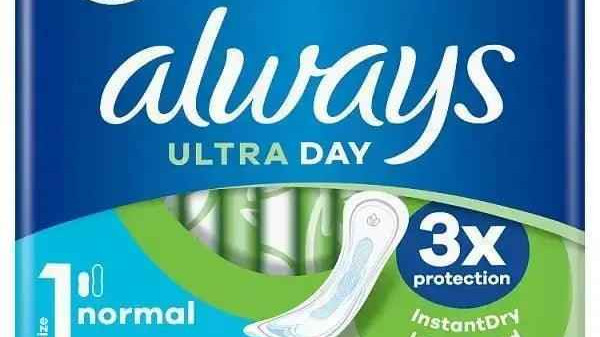
If you already have fibroids or experience heavier periods, being prepared with reliable period products can make daily life much more comfortable while you work on longer-term lifestyle changes. Products like Always Ultra Sanitary Towels offer reliable protection on heavier flow days.
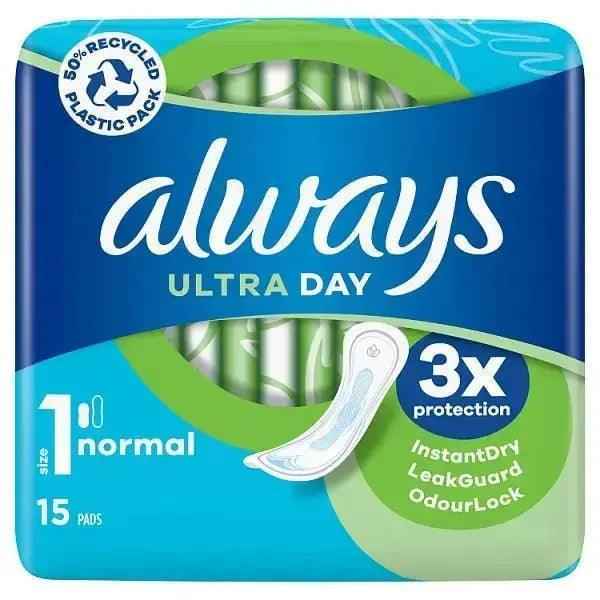
Always Ultra Sanitary Towels Normal (Size 1) Wings 13 Pads
If you notice your periods becoming unusually heavy, painful, or irregular, it's worth keeping a note of the pattern to share with your GP, as this can help with diagnosis and treatment options.
When to See a Doctor
Fibroids often cause no symptoms and need no treatment, but you should speak to your GP if you experience:
- Very heavy or prolonged periods
- Persistent pelvic pain or pressure
- Pain during intercourse
- Frequent need to urinate or difficulty emptying your bladder
- Unexplained bloating or a feeling of fullness in your lower abdomen
Your GP can advise on further tests, such as an ultrasound scan, and discuss suitable treatment or management options if needed.
Frequently Asked Questions
Can diet alone prevent fibroids?
Diet is just one of several factors thought to influence fibroid risk, alongside genetics and hormones. Eating a balanced, fibre-rich diet may support overall hormonal health, but it isn't a guaranteed way to prevent fibroids on its own.
Do fibroids always need treatment?
No. Many fibroids cause no symptoms and don't require treatment. Your GP can advise whether monitoring, medication, or further intervention is appropriate based on your individual situation.
Are fibroids linked to age?
Fibroids are most commonly diagnosed during a woman's reproductive years and tend to shrink after menopause, as hormone levels change. However, they can develop at various life stages.
Can exercise help with fibroid symptoms?
Regular physical activity supports a healthy weight and hormone balance, which may help with overall symptom management. It's not a treatment for fibroids themselves, so speak to your GP about any symptoms you're concerned about.
While there's no certain way to prevent fibroids, small everyday changes to your diet, activity levels and stress management can support your overall health. And if you need reliable period care products or wholegrain kitchen staples along the way, Adomoo has you covered with straightforward home delivery and honest prices. Browse our range today and stock up on the essentials that make daily life a little easier.
Leave a comment